


ZStack Cloud Platform
Single Server Deployment with Full Features, Free for One Year

Comprehensive product documentation and tools

Upholding the value of Customer First and the mission of Serving Customer, ZStack is dedicated to providing secure and stable services for customers.

To educate ZStack partners and interested individuals about cloud computing and to cultivate cloud computing talent.

ZStack provides innovative cloud infrastructure for ten major industries
Through three major sections, tens of thousands of words, and more than 10 global representative customer ases
tcworld China 2026, a premier conference in the field of technical communication, took place in Shanghai from May 21st to 22nd. This annual flagship event brought together leading practitioners, technical innovators, and forward-thinking professionals from around the world. Centered on cutting-edge topics such as “AI and the Future of Content,” “Information Development and Content Operations,” “Globalization, Localization and Terminology,” and “Enterprise Content Strategy and Governance,” the conference offered an in-depth forum for exploring the future of technical communication in an intelligent era.
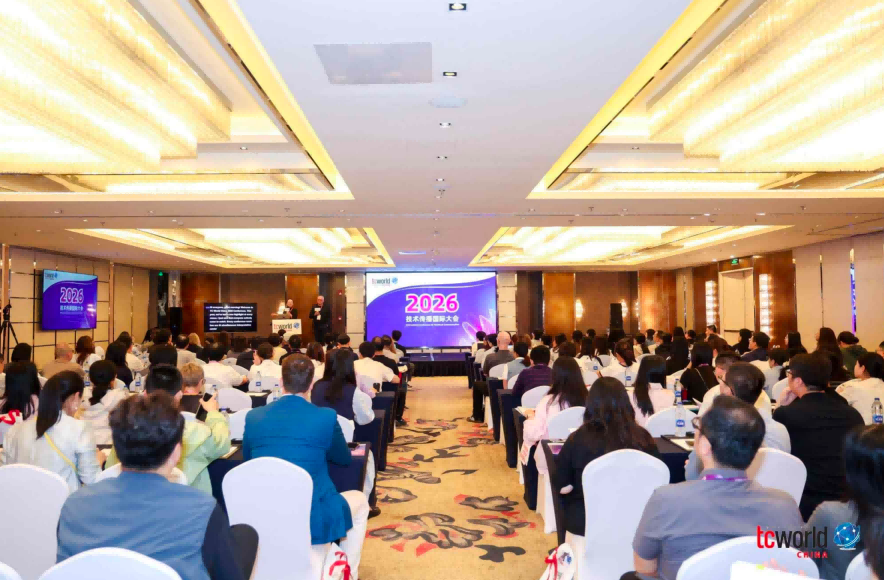
Figure 1: tcworld China 2026
At the conference, Ling Pan, Technical Documentation Manager at ZStack, delivered a presentation titled “Humanizing Technical Information: Smart Strategies for Error Code Content Management.” An error code is the “first sentence” a user sees when an operation fails, and it is also the frontline of technical documentation facing the user. She addressed four long-standing pain points of error code content — written from a developer’s perspective, hard for users to understand, inconsistent across languages, and reliant on manual quality control — and shared how ZStack has built an AI-driven error code content production system with Harness Engineering as its methodology.
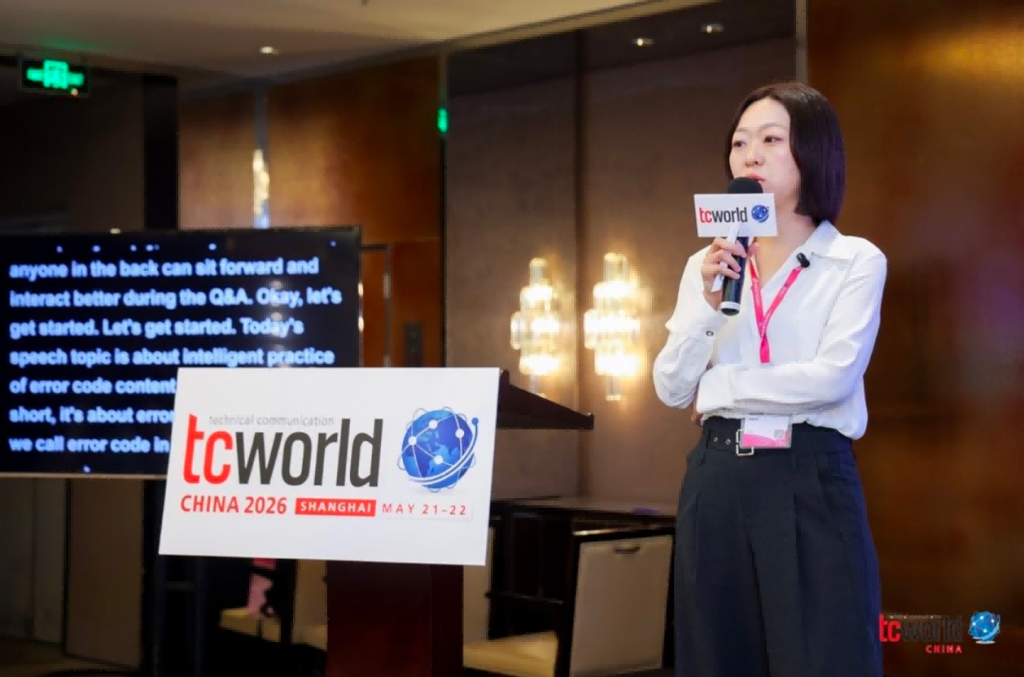
Figure 2: Ling Pan, Technical Documentation Manager, ZStack
On the methodology, Ling Pan noted that under the traditional model, error code content varies widely and its quality is difficult to control — the root cause being the absence of an engineering framework that enables “controlled production” by AI. ZStack introduced the Harness Engineering methodology, which, through its three pillars of “rule constraints, context injection, and process orchestration,” brings the generation, review, translation, and evolution of error code content fully onto an automated track: structured Schemas constrain the format of AI output, the injection of code and business context improves generation accuracy, and Multi-Agent collaboration replaces single-shot calls — achieving end-to-end control from code commit to release and consumption.
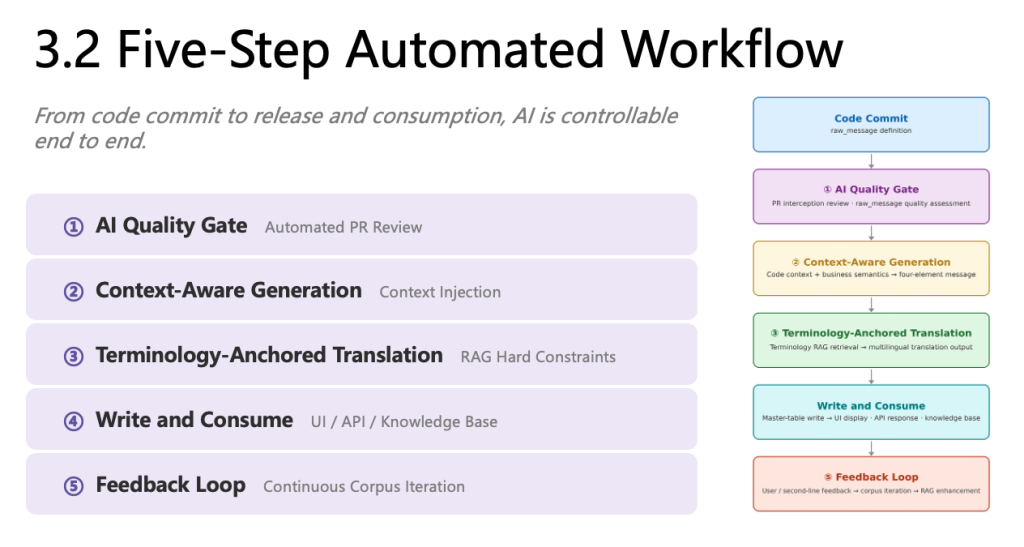
Figure 3: Overall Framework of the Harness-Driven Error Code Content Production System
On implementation, Ling Pan drew on real-world scenarios across ZStack’s multiple product lines to share approaches to four key challenges. For legacy code, automated scanning tools consolidate scattered call sites in batches and assign unified codes. For raw error messages of uneven quality, a two-pronged approach — Guardrails for entry-point interception together with code context injection — restores accurate descriptions. For multi-product-line standards, a layered rule design of “globally unified, locally flexible” balances consistency with individuality. For multilingual delivery, terminology RAG hard constraints establish a “cognitive anchor” that stays consistent across all scenarios. This system shifts error code content from “handwritten by developers, manually translated, and reviewed by experience” to “fully automated generation across the chain, rule-driven review, and synchronized multilingual release,” delivering significant gains in standardization, reduced cognitive burden, and synchronized multilingual delivery.
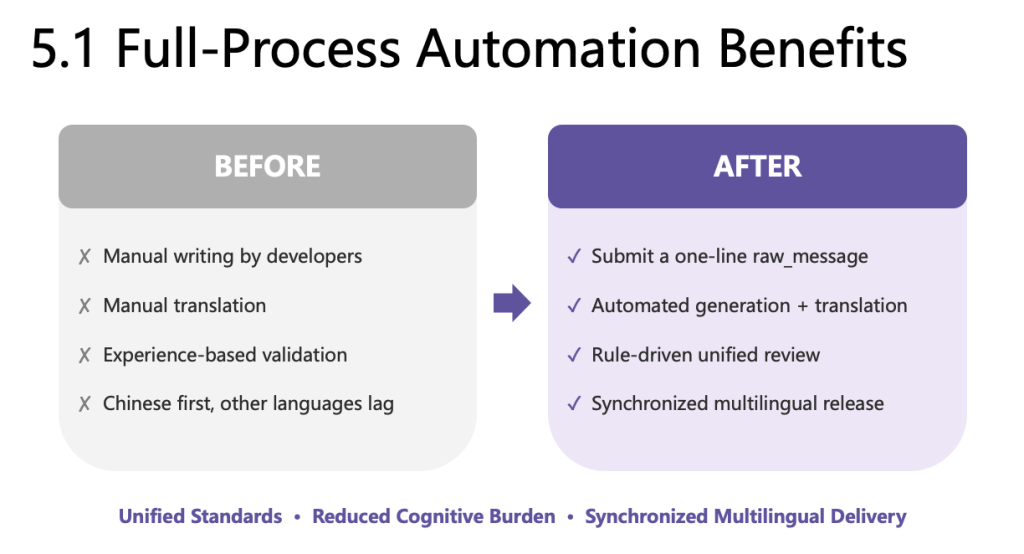
Figure 4: Benefits of End-to-End Automation
With the global AI wave reshaping industries, technical communication is undergoing a profound shift from “content production” to “knowledge engineering.” A structured error code should not be merely a numeric remnant left behind when something goes wrong; it should become a precise facet of the product’s knowledge system — one that can be vectorized and reused to continuously power intelligent scenarios such as in-product AI assistants, API documentation, and knowledge bases. The ZStack Documentation Team continues to explore and implement efficient and innovative approaches to documentation development and management, moving from “writing error codes” to “accumulating product knowledge” — the next step worth taking for documentation engineering.


